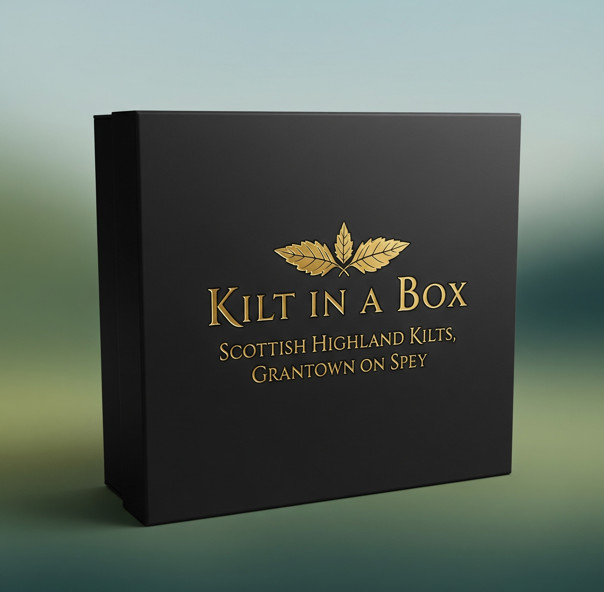
Welcome to Kilt in a Box!
A warm welcome to your exciting journey into the art of kilt making. Get ready to craft a piece of Scottish heritage with your own hands!
Welcome to Kilt in a Box!
A warm welcome to your exciting journey into the art of kilt making. Get ready to craft a piece of Scottish heritage with your own hands!
Introduction to Kilt Making
Learn about the history of the kilt, the philosophy behind "Kilt in a Box", and what you'll achieve by the end of this journey.
Introduction to Kilt Making
Learn about the history of the kilt, the philosophy behind "Kilt in a Box", and what you'll achieve by the end of this journey.
Taking Your Measurements
Accurate measurements are the foundation of a great kilt. Use our interactive calculator to get the key measurements you'll need.
Taking Your Measurements
Accurate measurements are the foundation of a great kilt. Use our interactive calculator to get the key measurements you'll need.
No text instructions for this step.
Step 1: Understanding Your Materials
Familiarise yourself with all the high-quality materials included in your "Kilt in a Box" kit, from the tartan fabric to the buckles and thread.
Step 1: Understanding Your Materials
Familiarise yourself with all the high-quality materials included in your "Kilt in a Box" kit, from the tartan fabric to the buckles and thread.
The Kiltmaker's Atelier
An interactive workspace to plan, prepare, and visualize your kilt before you make the first cut. Use these tools to build your confidence.
Phase 1: The Essentials
Before we cut or sew, we must understand the language of the trade and gather our materials. A kilt requires specific tools to handle the heavy wool and ensure structural integrity.
The Language
The Sett
The square pattern of the tartan that repeats. Understanding your sett is crucial for pleating.
The Selvedge
The factory-finished edge. This is your hem. Never cut or sew the bottom of a kilt.
The Fell
The sewn area of the pleats from waist to hip. This structure holds the kilt on your body.
The Apron
The flat, unpleated sections at the front of the kilt that overlap when worn.
The Toolkit
Click items to mark as collected.
- 8 Yards 16oz Wool ("Strome")
- Tartan Needles (Size 5 or 7 Sharps)
- Heavy Duty Thread (Topstitching/Upholstery)
- Steam Iron & Press Cloth
- Tailor's Chalk
- Leather Straps & Buckles
- Canvas Lining
Phase 2: The Blueprint
A kilt is tailored to your specific measurements. Enter your details below to visualize how the 8 yards of fabric will be distributed across your body.
Measure at belly button, do not suck in.
From navel to floor while kneeling.
Fabric Distribution Analysis
Update measurements to see breakdown.
Phase 3: The Workshop
Follow the construction process step-by-step. Use the interactive pleating simulator to understand the geometry before you pin.
Step 1: The Grand Layout
Lay your full 8 yards of fabric out. Ideally, use a long table, but a clean floor works too.
- Orientation: The "pretty" side (face) should be up.
- Edge: The selvedge (finished edge) must be closest to you. This is the bottom of the kilt.
- Smoothing: Ensure there are no wrinkles. Iron lightly if needed before starting.
Pleating Simulator
Visualizing "Flower of Scotland" pattern structure. Toggle to see how folding condenses the fabric.
The Beginner's Golden Rules
Measure Thrice
Once you cut, you cannot go back. Actually, in kilt making, you rarely cut! But you do sew. Measure your waist and length obsessively before stitching the fell.
The Swing Test
Hold the pinned kilt at your waist and twist your hips. The pleats should fan out and snap back instantly. If they hang sluggishly, repress or adjust pins.
Respect the Iron
A kilt is 50% sewing and 50% ironing. Do not rush "The Big Steam". The heat and moisture are what give the wool its permanent memory.
Step 2: Essential Tools & Setup
Discover the basic tools you'll need and how to set up your workspace for efficient and enjoyable kilt making.
Step 2: Essential Tools & Setup
Discover the basic tools you'll need and how to set up your workspace for efficient and enjoyable kilt making.
Step 3: Measuring for Your Kilt
Accurate measurements are key! Follow these instructions carefully to ensure your kilt fits perfectly.
Step 3: Measuring for Your Kilt
Accurate measurements are key! Follow these instructions carefully to ensure your kilt fits perfectly.
Step 4: Preparing the Fabric
Learn how to prepare your tartan fabric for cutting and pleating, ensuring a smooth start to the construction process.
Step 4: Preparing the Fabric
Learn how to prepare your tartan fabric for cutting and pleating, ensuring a smooth start to the construction process.
Step 5: The Art of Pleating
Master the intricate and beautiful art of pleating, the defining feature of a traditional kilt. This step requires patience and precision.
Step 5: The Art of Pleating
Master the intricate and beautiful art of pleating, the defining feature of a traditional kilt. This step requires patience and precision.
Step 6: Stitching the Pleats
Secure your pleats with careful stitching, creating the iconic shape and structure of your kilt.
Step 6: Stitching the Pleats
Secure your pleats with careful stitching, creating the iconic shape and structure of your kilt.
Step 7: Adding the Straps and Buckles
Attach the leather straps and buckles, essential for the fit and traditional look of your kilt.
Step 7: Adding the Straps and Buckles
Attach the leather straps and buckles, essential for the fit and traditional look of your kilt.
Step 8: Finishing Touches & Pressing
Complete your kilt with the final finishing touches, including hemming and pressing, to give it a professional appearance.
Step 8: Finishing Touches & Pressing
Complete your kilt with the final finishing touches, including hemming and pressing, to give it a professional appearance.
Congratulations! Your Kilt is Complete!
You've done it! Celebrate your achievement and wear your handmade kilt with pride. We hope you enjoyed this unique crafting experience.
Congratulations! Your Kilt is Complete!
You've done it! Celebrate your achievement and wear your handmade kilt with pride. We hope you enjoyed this unique crafting experience.